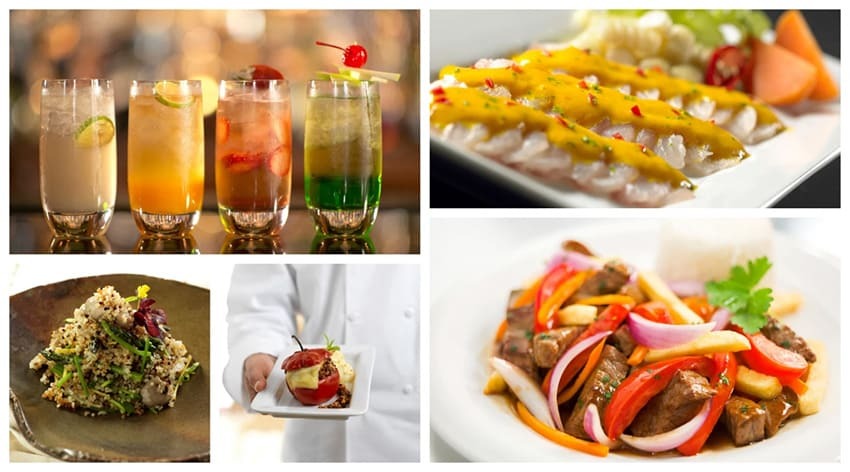
"Latin American cuisine has an increasing weight in the culinary world order. Especially Peruvian, Mexican, and Argentine gastronomy. These three countries, with their most outstanding restaurants, the champions of their haute cuisine, accounted for more than half of the positions on the list of the 50 best Restaurants in Latin America in its most recent edition, or what is the same: these three territories concentrate more than half of the best establishments in the subcontinent in their cities, with the Peruvians being the most abundant for several years. Something that is not casual."
The richness of its lands and its cultural diversity make Peru a country of exquisite and varied gastronomy. Each city has a typical dish with a unique flavor. Thousands of products from the countryside and dozens of living cultures that have shared a single territory for centuries created an infinite offer for the palate.
Peruvian gastronomy is a celebration of Peru. A country with an ancient tradition and a promising future that does not lose sight of its roots and where the art of good eating stands out among its inhabitants as one of the most distinctive signs of its identity. Do you want to know why Peruvian gastronomy is a trend? Next, we will explain the reasons!
Did you know that Peruvian gastronomy is made up of foods and flavors from the four continents? That's right, its originality lies in its ability to incorporate the influence of different times and cultures. Here we tell you how the unique flavor of our country was born and why it is so valuable to celebrate and preserve our culinary traditions.
The origin of Peruvian food dates back to pre-Inca cultures and the Incas. The central Peruvian Andes was the largest center for the domestication of plants in the ancient world, with native species such as corn, tubers with two thousand five hundred varieties of potatoes, many sweet potatoes, yucca or manioc, oca, maca, grasses quinoa, kiwicha or amaranth, cañihua. And an infinity of fruits and aromatic herbs such as chocha, yuyo, salt, and chili.
Perhaps you did not know it, but as we mentioned above, the Peruvian natives had already domesticated hundreds of varieties of potatoes before the Spanish arrived. And this tuber is one of the most important contributions of the Incas to the entire world. You just have to remember how many countries have used the potato in their gastronomy. Impressive, right? In addition, the diet of the Incas was carried out by meats such as alpaca and guinea pigs.
 Photo: Peruvian Pachamanca
With the arrival of the Spaniards, the Peruvian menu was greatly enriched, they brought the lime and it was adapted over time to the Peruvian land, it was transformed into the current Peruvian variety called lemon. The vine (from which pisco originates) and the wines are also part of this period. In addition, with the arrival of the Spanish, they brought with them African slaves who influenced the creation of two of the best dishes in Peru, such as Anticuchos and Tacu Tacu.
Today, Peruvian cuisine preserves a large part of the legacy left by those who inhabited the empire before the conquest and all the dishes that emerged after it. If not completely, yes in part thanks to this assimilation of new techniques and new ingredients, old preparations survive today, especially in the most rural areas of the country.
It is the wealth that we have not stopped talking about, the heritage that gives Peru its luster and turned Lima, within the framework of the Madrid Fusion 2006 summit, into the gastronomic capital of America.
Food is one more flag of Peruvians, from the most traditional recipes to the cuisine practiced in the best restaurants, promoters of innovations and vanguards through haute cuisine.
Designated as Cultural Patrimony of the Nation on October 16, 2007, this recognition has consolidated Peruvian gastronomy as part of the cultural identity of Peru.
 Photo: Peruvian cuisine worldwide
In addition, he has received numerous awards, for example:
After seeing some of their awards, let's review what makes Peruvian cuisine so attractive:
Foreign recipes in which original ingredients are substituted for native ones or upside down, Peruvian recipes in which some ingredients are added or changed for traditional products from other cultures.
Among the foreign cultures that stand out in this colorful and delicious fusion, we find the Chinese, Italian, Japanese, African, Spanish, and French cultures. Some examples of Peruvian dishes that are the result of fusion:
Japanese immigrants were called Nikkei in Peru and Japanese-Peruvian fusion cuisine kept that name. With elegant recipes, this style combines leading ingredients of Japanese cuisine, such as rice and fish, with typical Peruvian products, such as peppers and grains. Some dishes of Peruvian cuisine acclaimed in the world belong to the famous Nikkei fusion, for example:
 Photo: Cebiche
 Photo: Octopus with olive
Chinese food (Chifa) food is born from the combination of recipes brought by Chinese immigrants with the addition of Peruvian ingredients. Chinese food (Chifa) restaurants number in the hundreds in Peru and their most famous dishes are:
 Photo: Arroz Chaufa
 Photo: Wantán Soup
Italian immigration brought to Peru the characteristic ingredients of Mediterranean recipes: vegetables, pizzas, and pasta. Italian fusion cuisine gives us masterful creations such as:
 Photo: Italian tripe
 Photo: Minestrone Soup
Peru has a great variety of dishes by region. It doesn't matter if you go to the coast, the jungle, or the mountains, you will always be delighted with their delicious recipes! Among its ingredients, Peruvian gastronomy has fresh raw materials of excellent quality and great variety: fish, shellfish, fruits, vegetables, potatoes, peppers, corn, spices, avocados, quinoa, aguaymanto, and much more, which offer you high nutritional value and special flavors.
We can say, then, that Peruvian food has centuries of history and development and is a fundamental part of the Inca heritage, but that at the same time it was enriched by Spanish, African, French, and Chinese-Cantonese culture.
All this has made Peru a power in gastronomic tourism that you cannot miss.
Peruvian gastronomic culture has characteristic dishes for each region. Every time you visit a new city when traveling to Peru, you will see new recipes, variants of famous dishes, and, in general, a unique stamp that will delight you and will remain engraved in your memory. Let's see, then, what Peruvian food is like in each region:
It covers the area of the Cordillera de Los Andes and crosses the country from north to south. Here, visitors find excellent cuisine with flavors and colors that make each presentation unique. Here are some examples:
 Photo: Fried Trout
 Photo: Cuy Chactado
Although each coastal city has its gastronomy, fish, yellow chili, red chili, shellfish, potatoes, and rice are present in most of their recipes. Without a doubt, the most popular dish is ceviche, a delicacy of Peruvian gastronomy with a simple preparation: basically, it consists of pieces of fresh fish that are left to marinate in a container with lemon juice for approximately 20 minutes, at which red onion, coriander or cilantro, chili, and salt are added to give it intense aromas and flavors. Other typical dishes of the coast are:
 Photo: Rice with seafood
 Photo: Mussels a la Chalaca
Amazonian gastronomy is the owner of a distinctive imprint: sophisticated and exuberant flavors that mix unique ingredients such as tropical fruits and river fish such as paiche. Among its most acclaimed dishes are:
 Photo: Juane
Every place where you can taste Peruvian gastronomy offers you exquisite dishes, whether it is the best restaurant or a small street stall.
Thanks to the quantity and variety of fruits that are produced in Peru, it is truly enviable. The innovation of specialists has led to exotic combinations that make it impossible to know exactly how many flavors can be enjoyed.
Corn represents a basic and historical input, which is even used for the preparation of drinks such as the traditional chicha de Jora and the Creole chicha Morada. Chicha de Jora is made from fermented corn with fruit and was used by ancient Peruvians in special ceremonies, while chicha Morada is made from corn boiled with fruit and mixed with sugar and lemon to taste.
 Photo: Chicha de Jora
 Photo: Chicha Morada
Pisco, the national drink of Peru, is a grape brandy that emerged in Ica in colonial times after the Spanish introduced the first vineyards in Peru.
The word pisco is part of the name of a large number of Peruvian towns, regions, and hamlets, such as Piscohuasi or Piscopampa. Furthermore, in the mid-16th century, the Spanish began to use the name pisco to designate a river, a town, and a port south of Lima (see Pisco - Paracas). The first news in Peru about the production of grape brandy dates back to the beginning of the 17th century.
Currently, to preserve the denomination of origin, it is only produced on the coast (up to 2000 meters above sea level) in the departments of Lima, Ica, Arequipa, Moquegua, and Tacna.
Pisco can be enjoyed pure or in a long list of cocktails such as the chilcano, the algarrobina, or the pisco sour. The latter is the most emblematic.
 Photo: Peruvian Pisco
 Photo: Pisco Sour
Peruvian gastronomy has the world at its feet!
Unquestionably, Peruvian cuisine is one of the most acclaimed in the world thanks to the creative quality of its chefs, the generosity of a territory rich in first-rate raw materials, a culinary history open to renewal, and the sum of different cultures.
After the incredible mix of flavors from the four continents, Peruvian cuisine has enriched and evolved, and continues to evolve at an unimaginable pace! That is why it is difficult to list all its dishes in their entirety.
Therefore, if you go to Peru and try several of the dishes mentioned in this post, you will be connecting with the culture and origins of this society, one of the most colorful in Latin America.
You know: every adventure in Peru begins and ends with good food.

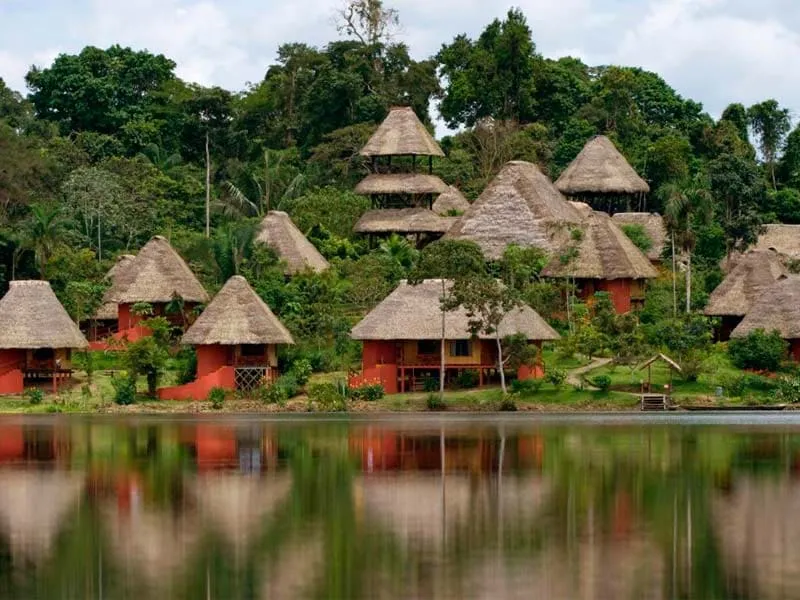
This incredible tour will allow you to get to know the most important tourist cities in Peru and its natural and cultural wealth.
0.00
10 days
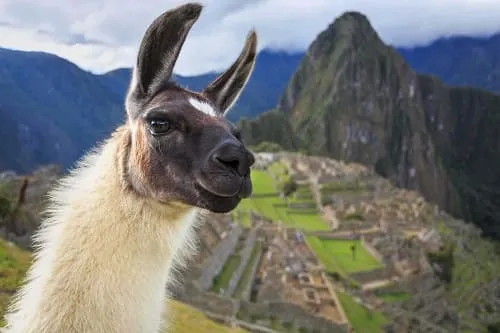
This program has the fusion of the Inca and Spanish architectural styles throughout the Sacred Valley and the city of Cusco.
450.00
4 days
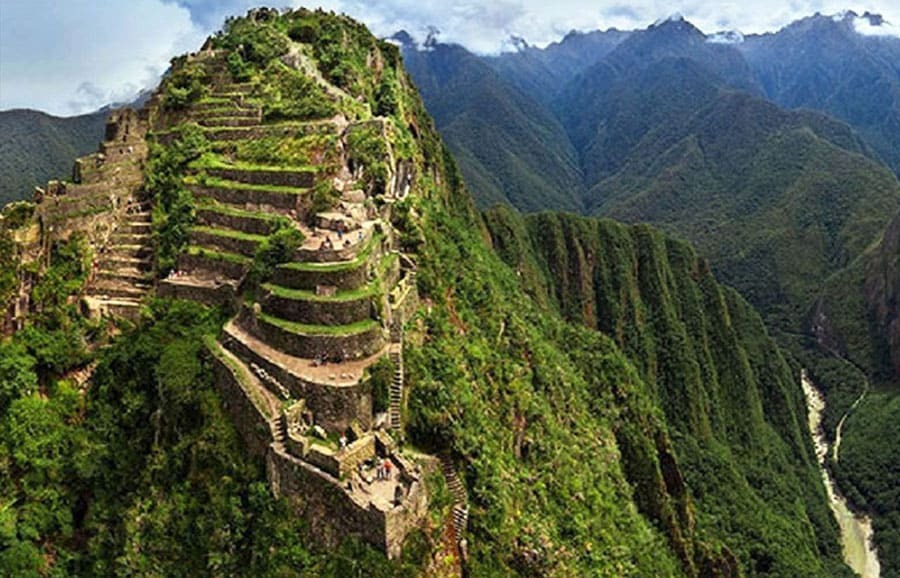
Get to know the splendor of Cusco with this private tour where you will know the most important points that the city of Cusco offers.
0.00
4 days